Bacteria
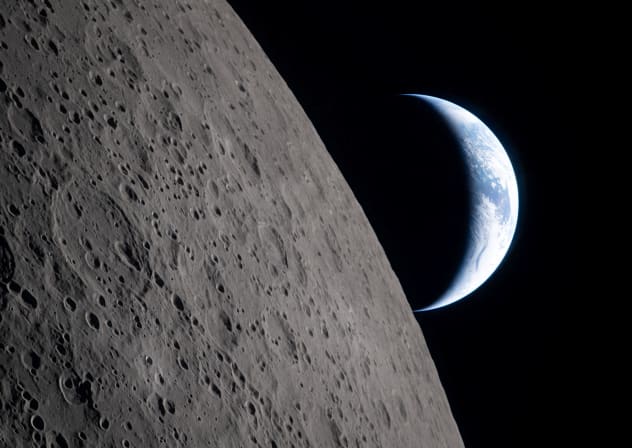
NASA finds some microbes could survive on moon, raising concerns over unintended life transfer
New research led by NASA scientists looking at five forms of fungi and bacteria indicates that some of them indeed could survive for a time under certain conditions on the lunar surface

Scientists use AI to create viruses not found in nature, simultaneously raising alarms, enthusiasm

Illegal tahini imported from abroad may contain Salmonella, Health Ministry warns

The dishwasher mistake everyone makes, and why it may affect your health
Could broccoli hold the cure to bacterial resistance to antibiotics?
So many types of bacteria have become resistant to antibiotics because the pathogens develop biofilms that protect them from being wiped.

Israeli scientists work towards curbing Candida, the yeast infection fungus
Weizmann scientists discovered that a powerful commando unit of TH17 cells capable of fighting Candida cannot be generated without crucial early support from an entirely different contingent.

Does candy cause tooth cavities?
Sugar and sweets are considered the root of all evil with respect to dental health, but in reality they have but a small, albeit significant role in the process that leads to dental caries.

A new method to determine stability of bacterial ecosystems
Study at Bar-Ilan University found that different species of bacteria can self-sustain in the same environment, depending on the strength of their interactions.
Bacteria with antibiotic resistant genes discovered in Antarctica, scientists say
Researchers found that one of the predominant bacteria groups in the Antarctic Peninsula can be a source of 'resistance genes.'

Too many people pee in swimming pools - and it’s dangerous
It’s hard to say this, but many people pee in swimming pools and it's not only kids. A doctor explains why it’s so bad, especially when combined with chlorine.

Researchers develop ‘bionic bacteria’ that create better fuels, chemicals
Bacteria can be found everywhere, and some are bad and cause illnesses, but some do more good more than harm.

This is why we'll all be much more sick in the future - study
Scientists warn that in a warmer atmosphere, a result of rising global temperatures due to the climate crisis increases risk of disease to humans and plants.

Does morning coffee kill your good gut bacteria?
All coffee lovers can benefit from improving the balance of good bacteria in the gut without any special effort, but it can be tricky. Here's what you need to know.

Game Theory may be useful in combatting viruses- TAU study
A 'phage game theory' exists, in which the phage receives information not only from its own host but also from neighboring bacteria.
