Astronomy
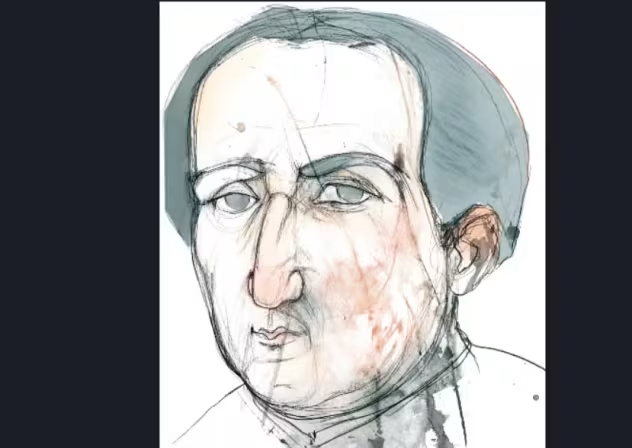
On Columbus Day, remember Abraham Zacuto, the Jewish astronomer history forgot - opinion
In 1935, the International Astronomical Union formally adopted the name Zagut for a lunar crater honoring Abraham ben Shmuel Zacuto. Modern astronomy has, literally, written his name on the Moon.

The Perseid meteor shower is back: All the best places to watch shooting stars in Israel
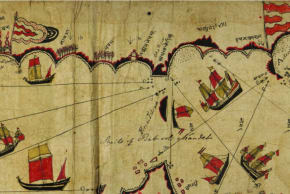
Researchers decode 200-year-old Red Sea navigational chart, revealing lost seafaring secrets

Selling light after dark: Satellite designed to reflect sunlight to Earth approved by FCC
Webb reveals a galaxy sparkling with the universe’s oldest star clusters
The Milky Way, our galaxy, has about 150 globular clusters. Their history is not yet well understood by astronomers, and measuring their age can be extremely difficult.

Fuel leak could delay first launch of NASA's Artemis moon rocket until October
The previous launch bid on Monday was halted by engineering snags. NASA says technicians have since remedied the issues.

NASA James Webb Telescope captures stunning photos of Jupiter
The two images were taken by the observatory's Near-Infrared Camera (NIRCam), which uses three infrared filters to capture hidden details of the planet.

Scientists find the most massive neutron star close to the black hole limit - study
PSR J0952–0607 is a neutron star 2.3 times as massive as the Sun but around just 20 kilometers wide. It is the closest pulsar known to the limit to forming a black hole.

Astronaut Buzz Aldrin's Apollo 11 flight jacket fetches $2.8 million
Neil Armstrong and Aldrin were the first humans to walk on the moon. Aldrin, who is now 92, is the only surviving member of the mission's three-man crew.

Black hole debunker team finds dormant black hole near Milky Way
A dormant black hole is a black hole that doesn't emit the X-ray radiation that makes other black holes easy to spot.

Unique radio signal detected billions of light-years from Earth
A strong burst of radio waves detected in a different galaxy is the longest-lasting of its kind and may help astronomers measure universe expansion.
