The Houthis are on the march. The group has continued to hand the internationally recognized Yemeni government defeats. The Yemeni government forces have portrayed these setbacks as a redeployment of forces, enabling them to shorten some of their frontlines near Aden. However, there are concerns about the developing situation.
Reuters reported on November 16 that “Saudi Arabia replaced the commander overseeing its coalition against Yemen’s Iran-allied Houthis on Monday after Riyadh’s Yemeni allies were forced to withdraw from swathes of territory in a major setback for their campaign against the group.” This is the latest evidence that all is not well in Yemen. “The Houthis have made rapid gains against the Saudi-backed Yemeni government since the US-Iran conflict reignited Yemen’s frozen civil war this summer, drawing Riyadh back into confrontation with the group.”
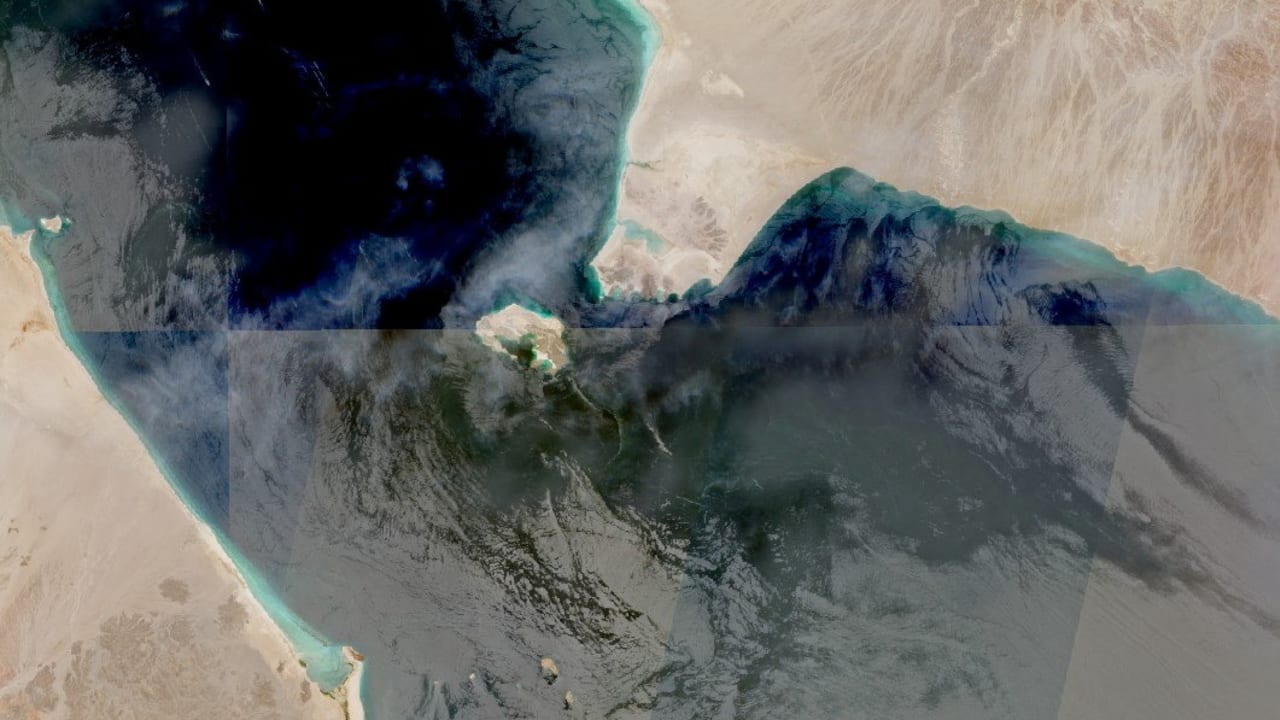
The concern is that the Houthis, having retaken areas around Bab al-Mandeb and also tightening the siege on Taiz, may aim for Aden. It was a Houthi advance on Aden in 2015 that led to Saudi Arabia’s intervention alongside other Arab countries. Now that intervention is being tested again. The report says the Houthis have advanced toward the southern coastal area of Khor Omairh, around 100 km from Aden.
The appointment of new commanders in Saudi Arabia is aimed at preparing for what comes next. Arab News noted that “Saudi Arabia’s King Salman has appointed Chief of the General Staff Lt. Gen. Fayyad bin Hamed Al-Ruwaili as commander of the Joint Forces, in addition to his current role, according to a royal decree announced on Monday.” It added that “the decree also appointed Lt. Gen. Fahad bin Hamad Al-Salman as an adviser to the minister of defense for military affairs.”
On November 17, the Basha Report, a risk advisory forum, noted that “although the Houthis publicly maintain that they have no intention of attacking Aden, the temporary capital of Yemen’s internationally recognized government, and claim they are merely pursuing Saudi-backed forces, developments along the Karish front deserve close attention.”

The report added that the Aden Independent (AIC Aden TV), a news outlet affiliated with the Southern Transitional Council (STC), had “cited a military source reporting that southern forces repelled a Houthi attack and attempted infiltration in Hamalah, along the Karish [Kirsh] front in Lahj Governorate, reportedly inflicting casualties.”
Houthi advances threaten Aden's northern, western defenses
The report goes on to explain that “a Houthi advance from Karish would increase pressure on Aden’s northern defenses, while their presence in Ras al-Arah threatens its western approaches. This leaves the eastern corridor through Abyan and Shabwah as Aden’s principal remaining overland outlet outside the immediate areas of Houthi control.” The report concludes that “the question is whether today’s attack marks the beginning of a broader offensive or a limited operation to probe southern defenses and test their readiness. Either way, developments in Karish will be a critical indicator of Houthi intentions toward Aden.”
It seems clear that the Houthis feel emboldened. They have posted videos of destroyed vehicles from what they say are the Saudi-backed Yemeni forces. They have also released videos of their forces fighting in Lahj Governorate, which is near Aden.
Houthi advance toward Aden brings opportunities, risks on open terrain
The geography of the current battle is clear. If the Houthis continue their advance along the coast, or if they push beyond the Kirsh (Karish) front, they will be able to be within striking distance of Aden. This is an open area on a coastal plain. The Houthis have shown in the past that they can make rapid advances along open, coastal areas of this kind. On the other hand, they will be vulnerable to airstrikes when out in the open, in columns on coastal roads.