‘Healing through restoration’: How Israel’s hidden dig site builds community out of archaeology
“Our job is to tell the story of these people, because we are here and we can learn a lot from them," Dagan told The Jerusalem Post.

“Our job is to tell the story of these people, because we are here and we can learn a lot from them," Dagan told The Jerusalem Post.


Archaeological surveys of the site also revealed the foundations of residential buildings, watchtowers, and service facilities located nearby.

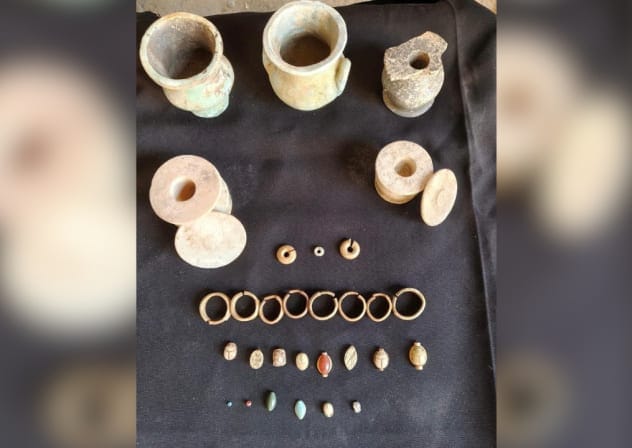
The finds include the ruins of a Roman basilica and Doric temple, the head of a marble statue of the Greek goddess Aphrodite, several cartouches, and molds used to mint coins in the Roman period.

In antiquity, Heliopolis served as a primary religious center for the worship of Ra - indicated by the Al-Masalla obelisk of the Temple of Ra-Atum.
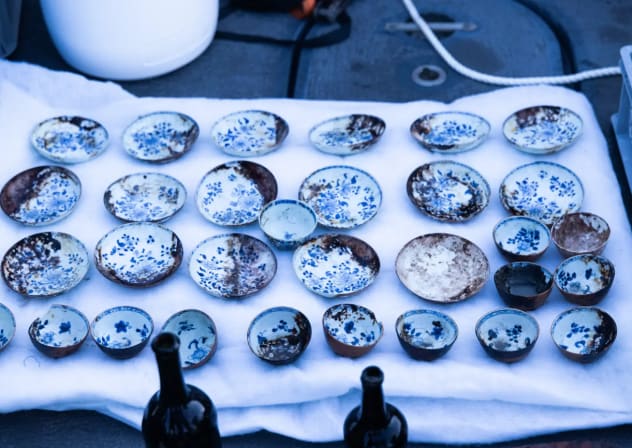
The ship, coined "The Porcelain Wreck," is believed to have sunk around the mid-1700s, and was found at a depth of some 600 meters, the museum said.
Dental microwear analysis, which allows for the microscopic study of surface textures, confirmed that the marks were made after the animals' deaths, ruling out chewing or dietary wear and tear.

Researchers were working at the site as part of UCF’s Cape Canaveral Archaeological Mitigation Project (CCAMP).

Previously, a total of 44 other Roman graves were discovered during excavations for the project, however the most recent find is the first to be fully undisturbed.

"The Pre-Pottery Neolithic B residents of Motza were surprisingly able to differentiate calcite and dolomite stones and used both in their plaster making," the study said.

It is expected to be completed and open to the public by summer, before becoming in September a “living-history learning space for school groups."

The six mines may help explain the source of the metal used in Bronze Age Scandinavian artifacts.
