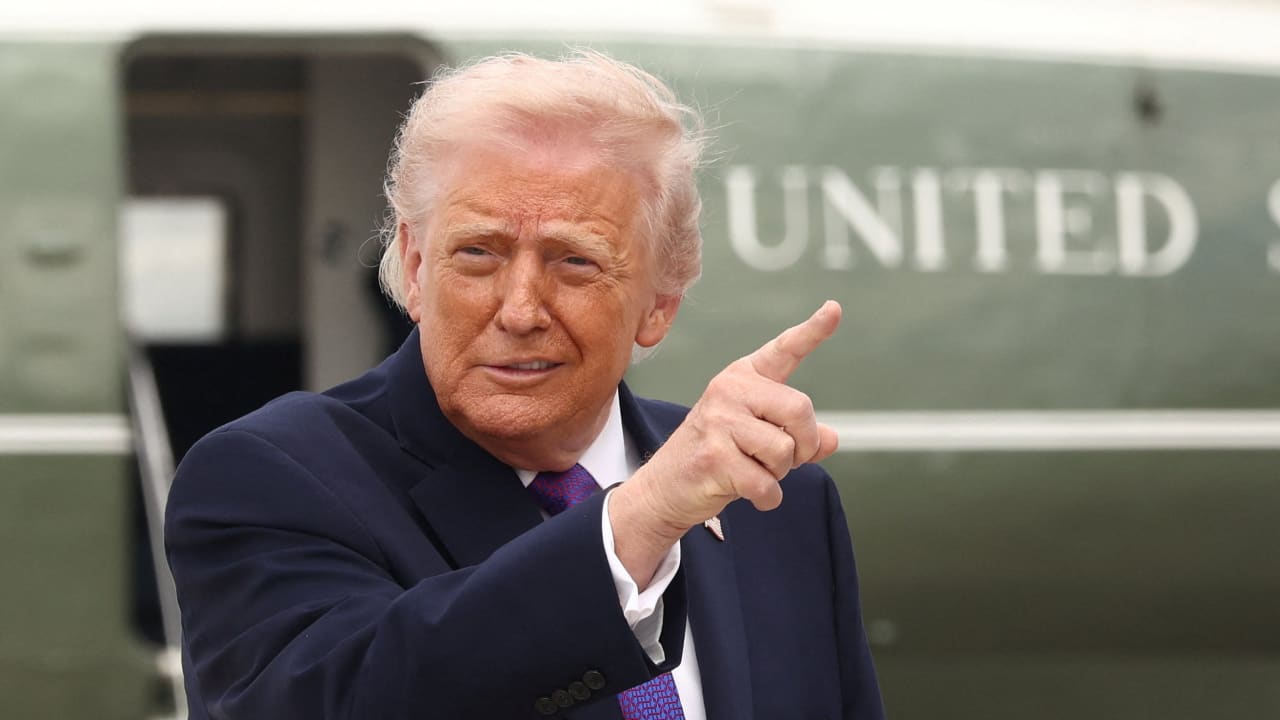
The American public wants the unpopular eight-month-long war on Iran to end, and showed it by handing US President Donald Trump's Republicans a resounding defeat in last week's congressional elections.
Trump acknowledged that unhappiness about the conflict contributed to his party's losses, but defends the war, both insisting that he has won it and saying it will continue.
Congress cannot unilaterally end the war, but can pressure the president to do so.
Here are some ways lawmakers in the new Congress - which is scheduled to be sworn in on January 3 - can push to end the fighting.
Money talks, as do shutdowns
Under the US Constitution, Congress decides how federal funds should be spent. Trump has asked the House of Representatives and Senate to approve a huge increase in the defense budget - from about $950 billion to $1.5 trillion, plus an additional $67 billion for the war.
Democrats say they will not approve such a massive budget next year. But they also have proposed cutting off funding for the war even before the new Congress is seated, suggesting that anti-war Republicans or fiscal hawks concerned about the deficit might back them.
The current government funding bill expires on December 11, meaning Congress must pass a full-year budget or a short-term spending plan to avoid a shutdown right before Christmas, interfering with travel and putting thousands out of work.
House Republican leaders say the party will hold firm behind Trump.
"A Republican Congress is not going to send bills to a Republican president that he's going to veto, so if that's their (the Democrats') demand, well, we'll just wait until next year," Representative Tom Cole of Oklahoma, who chairs the House Appropriations Committee, told reporters this week.
But once the Democrats control Congress, they can include clauses in budget bills forbidding the use of any funds for hostilities against Iran. Trump could issue vetoes, but would again risk a government shutdown, and potentially no pay for the troops themselves, in order to prolong the war.
Congress can also refuse to authorize any funding for the war in the annual National Defense Authorization Act, or NDAA, which sets policy for the Pentagon. Since the NDAA has passed every year since 1961, its failure would be an embarrassment for both parties.
Legislative resolutions on war powers
Trump did not secure approval from Congress before he launched the war alongside Israel on February 28, and Democrats, along with a few Republicans, have voted repeatedly to end the fighting unless he seeks congressional authorization.
One of these war powers resolutions passed both the House and Senate, but Trump's administration ignored it, and legal experts said there is no consensus on whether it was binding.
Democrats have vowed to keep pushing, and expect votes on more war powers resolutions, with more legislation promised once they control the House and Senate.
A Reuters/Ipsos poll this month showed 71% of Americans - including 93% of Democrats and 51% of Republicans - want Congress to pass legislation ending the conflict.
Trump is expected to veto any measure to stop the fighting. It takes two-thirds majorities in both chambers to override a veto, meaning Democrats would need Republican support to overcome Trump's objections.
However, backers say it is worth trying, to send a message to Trump, and the American public, that many members of Congress want the fighting to stop.
They also say that sentiments might change, even among Republicans, if the war drags on.
Oversight on Trump administration
An effort led by Republican Representative Thomas Massie and backed mainly by Democrats to impeach Defense Secretary Pete Hegseth on charges including waging the Iran war without congressional approval failed this week. But Democrats may try again next year, viewing Hegseth as the individual most responsible for the war, after Trump.
Once they are in charge of congressional committees, Democrats can hold hearings and launch investigations into the Trump administration's strategy, spending, and conduct of the war. And they will have the power to issue subpoenas to compel testimony.
Individual members of Congress and Democrats on congressional committees have already been sending letters to the State and Defense departments asking for the preservation of documents associated with decision-making on the war.
If the administration refuses to cooperate with such inquiries, Congress can apply pressure, such as by withholding funding for officials' travel budgets or, in the case of the Senate, by declining to confirm Trump's nominees.