
Finland has recently made headlines in Israel for reasons far beyond tourism. Jerusalem and Helsinki quietly extended a memorandum of understanding on defense cooperation through 2034, covering joint research, development, and procurement. Simultaneously, Finland announced it would terminate its financial backing for UNRWA.
Yet with the Nordic nation back in the Israeli spotlight, it is worth looking past the geopolitical arena. Beneath the diplomatic developments lies a destination quietly capturing the imagination of Israeli travelers - and far beyond the icy reaches of Lapland.
Finland is a tapestry of compact cities, coastal islands, endless pine forests, glassy lakes, world-class design, and ubiquitous saunas. While winter in Lapland remains its quintessential draw, the region is only one chapter of a much larger story.
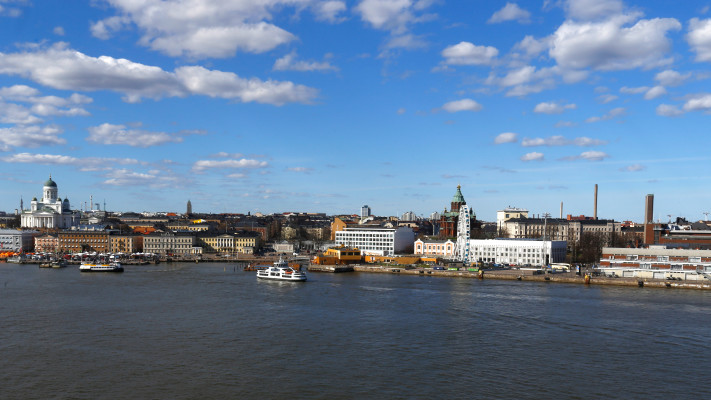
Starting in Helsinki
Any proper introduction to Finland begins in its capital. Helsinki is not a metropolis that demands attention with flashy displays; instead, it offers an understated, walkable charm. Effortlessly combining striking architecture, rich museums, acclaimed dining, and vibrant design districts, it easily fills several days of exploration.
Perched on the edge of the Gulf of Finland, the capital’s identity is bound to the sea. Lush urban parks, rocky islands, and coastal promenades line its waterfront. In the warmer months, a day of city sightseeing seamlessly transitions into a boat excursion to nearby archipelago islets, blending urban elegance with raw nature just minutes from the city center.
Design enthusiasts will find themselves at home. Renowned worldwide for clean, functional Scandinavian aesthetics, Helsinki showcases its design heritage not only in galleries, but across its boutiques, cafes, and iconic public architecture.
Then, there is the sauna culture. What other nations market as an occasional wellness splurge is, in Finland, a daily ritual. Public saunas dot the capital - many situated right along the waterfront - inviting visitors to experience the traditional heat before taking a plunge into frigid open waters.
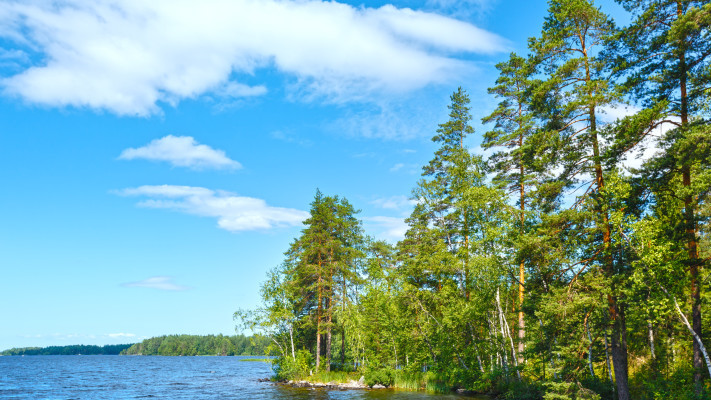
And then, the city gives way to lakes
Beyond the capital’s borders, the landscape softens into the quintessential Finnish postcard: Deep green forests, glistening waters in every direction, wooden cabins, and pristine stillness.
The Lake District - Lakeland - serves as the country’s natural heartland. Boasting roughly 188,000 lakes, it reveals just how deeply water and wilderness are woven into the national identity. A stay here defies the typical jam-packed itinerary; the tempo slows down. Visitors rent lakeside cabins, light the sauna, go boating, fish, hike, or simply sit by the shore for hours without a schedule.
It stands as a sharp contrast to the typical fast-paced Israeli holiday. Here, doing nothing is not lost time - it is the destination itself.
Food lovers will also discover a rich regional culinary scene, grounded in fresh lake fish, traditional pastries, and small-town bakeries that offer an authentic glimpse into local life.
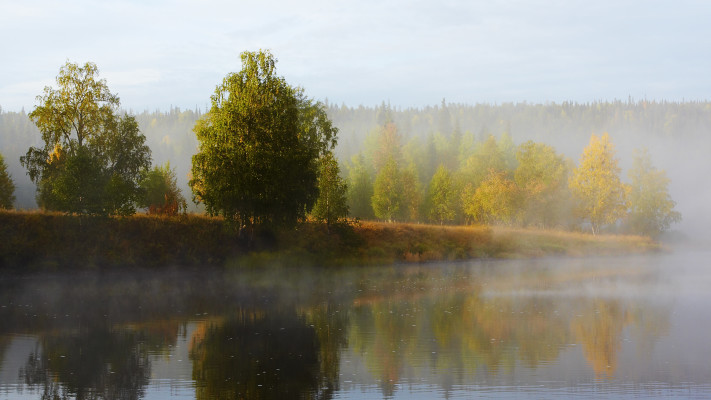
The sea is part of the story, too
Finland’s beauty is not limited to its inland waters and forests. Along its southern and western coastline stretches a vast archipelago of thousands of islands, where life moves at the rhythm of the Baltic Sea.
Here, travelers can hop between historical coastal towns, navigate scenic sea trails, sample local seafood, and take in expansive maritime views. It is a quiet, contemplative Finland, perfectly tailored for those who prefer slow travel over rushing through a checklist of sights.
For travelers spending just a week in the country, there is no need to treat the trip as a rigid choice between "Helsinki or Lapland." A well-crafted itinerary can easily connect urban culture, coastal islands, and inland lakes - leaving the far north for another season.
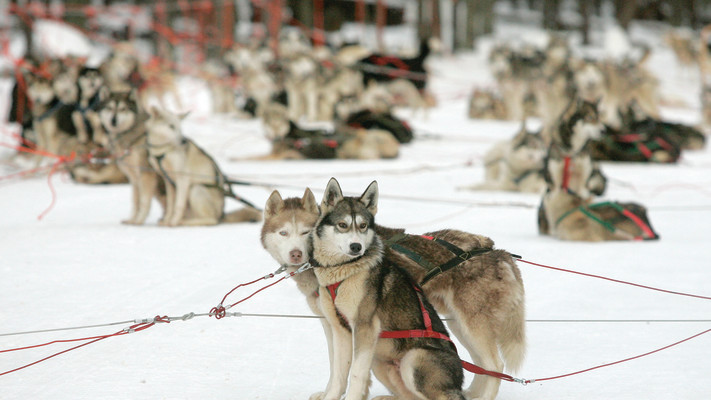
And then you reach Lapland
Still, no conversation about Finland is complete without venturing north. Finnish Lapland is the principal driver behind the country's surge as a premier winter destination for Israelis. Snow-covered wilderness, reindeer encounters, dog sledding, snowmobiling, and the shimmering Northern Lights offer a holiday worlds apart from the standard European city break.
"What was once a niche trip for older adults has turned into a cross-generational phenomenon," said Yoni Waxman, Chairman of Ophir Tours. According to him, Lapland now attracts young people, older travelers, and families alike, all looking for an experience different from classic European destinations.
Tamar Gerzon, CEO of Gulliver, notes that her company has also seen a rise in demand for Finland in recent years, particularly for Lapland. She adds that direct flights from Tel Aviv to Rovaniemi, operated during the winter season by Arkia and Israir, have made the destination far more accessible to Israelis.
Peak season runs from January through March, when snow cover and winter conditions are optimal. An organized classic Lapland tour - including direct flights, seven days and six nights, and half board - currently starts at around €2,995 per person.
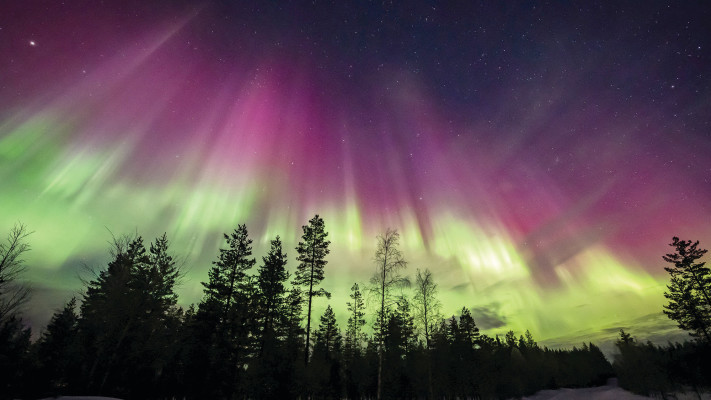
Don't base the whole trip on the Northern Lights
Seasoned travelers to the north caution against focusing exclusively on the Aurora Borealis. Tamir Huberman, founder and manager of the Facebook group "Finland, Lapland, and Helsinki for Israeli Travelers" (which has around 15,000 members), said the biggest mistake is planning an entire trip around a phenomenon that can never be guaranteed.
His recommendation is to design an itinerary that stands on its own - focusing on nature, forests, lakes, saunas, villages, and local experiences - and treat the Aurora Borealis as a welcome bonus.
His second tip applies to the whole of Finland: Leave room for quiet. "I’ve met many travelers who try to cram in as many attractions as possible," he says. "But part of Finland’s real magic lies in the simple moments: Walking through the forest, sitting by a lake, enjoying a sauna, or having a chat with locals."
His third and perhaps most important tip is to choose your season before mapping out the route. "A summer itinerary doesn't necessarily work in winter, and distances, daylight hours, and weather can significantly impact your plans. It's best to check up-to-date information and draw on the experiences of travelers - many of whom are already in my group - who have visited during that same season," he concludes.
In summer, Finland changes colors
Viewing Finland strictly through a winter lens leaves half the story untold. Come summer, particularly in the north, the country is bathed in near-constant sunlight. In Lapland, visitors can witness the Midnight Sun, where the sun remains above the horizon for weeks on end. Even further south, extra-long daylight hours make summer ideal for trekking, kayaking, cycling, and lingering at lakeside retreats.
Gerzon notes that the summer season is equally stunning, offering rich nature, lakes, hiking trails, and long daylight hours. Around June and July, visitors in Rovaniemi can experience the Midnight Sun firsthand, and even in August, days remain significantly longer than what Israelis are accustomed to back home.
Ultimately, Finland’s greatest charm lies in its versatility. One can visit Helsinki for architecture and dining, retreat to the Lake District for wilderness cabins, explore the Baltic archipelago, or head north to Lapland for arctic snowscapes.
While defense ties and foreign policy have brought Finland into the news, for travelers, the appeal is simpler. Finland delivers something rare in modern European travel: The freedom to set your own pace. Whether under the summer sun or the winter snow, it offers an escape that feels refreshingly unique.