
Thieves stole four paintings from the Renoir Museum in Cagnes-sur-Mer on the French Riviera, the local mayor said, but dropped two of them in the gardens as police, alerted by alarms, gave chase early on Tuesday.
The most valuable works of the Impressionist painter Pierre-Auguste Renoir have fetched dozens of millions of dollars at auctions.
Mayor Bryan Masson did not identify the items stolen by the raiders who broke into the museum a little before 6 a.m. through a hole made in a garden fence to snatch four paintings, in the latest of a series of brazen art thefts in the country.
"Attacking the Renoir museum is attacking a part of the history and heritage of Cagnes-sur-Mer," Masson said in a message.
Police arrived within five minutes to give chase, leading the thieves to drop two canvases, but they made off with the other two, added Masson, who initially said just one had been dropped.
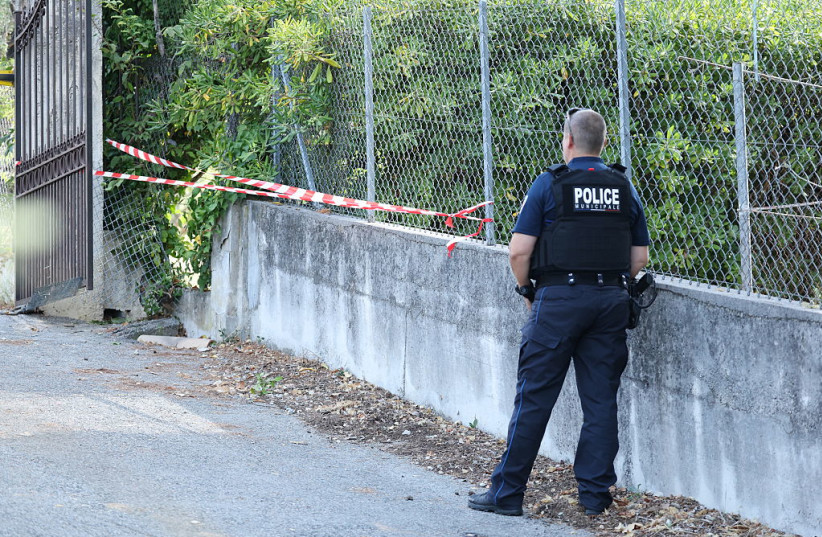
The museum, set up in 1960 in Renoir's mansion on a hill near Nice where he died in 1919, had on display a collection of 13 paintings by the master and some 40 sculptures, items of furniture and photographs.
Art thieves in Europe are committing more violent robberies and specialist gangs have been replaced by ad hoc opportunists recruited through social media, pan-European police body Europol said last month.
Theft of Antonello da Messina’s Renaissance paintings
This theft comes nearly a month after four paintings by Renaissance master Antonello da Messina were stolen from from the Museo Regionale di Messina in the painter’s hometown.
The thieves entered the museum on the night of August 15, a national holiday in Italy and the peak of the summer season, media said.
They took three of the remaining five panels that made up an altarpiece known as Polittico di San Gregorio.
Originally comprising six panels and destined for a local monastery known as Monastero San Gregorio, which was destroyed by Messina's 1908 earthquake, the altarpiece was the only work by the Sicilian painter to have never left his hometown.
The thieves took a fourth artwork from a secure display case: a small two-sided painting depicting the Virgin with Child and a Franciscan monk on one side and the Christ on the other.
The work was part of the Wilhelm Soldan collection and was sold by Christie's to the Sicilian Region in 2003, the year it was attributed to Antonello da Messina.

Authorities have since theorized that the theft may have involved organized crime, raising troubling questions about security at a museum in the Sicilian artist's hometown.
Enzo Caruso, Messina's councilor for culture, said the stolen Antonello works were so famous that selling them even on the black market would be virtually impossible, raising the possibility that they could be used as bargaining chips or collateral in criminal dealings.
"The Mafia? It's possible they might try to blackmail the state itself in order to return them. These are the kinds of dynamics that ordinary people never get to see," he said.
He said another possibility was that the paintings could be used as guarantees or currency within the criminal underworld.
The burglary only came to light some two hours later when tourists found two Antonello paintings, apparently discarded by the thieves, leaning against the museum railings.
Renato Schifani, the president of Sicily, issued a statement to say the museum's video surveillance system and alarm had been working normally, adding that an internal investigation was underway to see if any museum staff had been involved.
Caruso questioned how well prepared the thieves had been, pointing to the fact that two paintings had been left in the street. He also said a professional art thief would normally take greater care handling works worth tens of millions of euros, saying no attempt had been made to protect the paintings.
"I have the feeling the thieves may be keeping the [Antonellos] hidden while things calm down," Caruso said. "Or perhaps they immediately took the sea route," he added, noting that the museum lies close to the Strait of Messina.
"The hope is that sooner or later they reappear."